
Free Shipping orders over $200 Dismiss
Skip to content
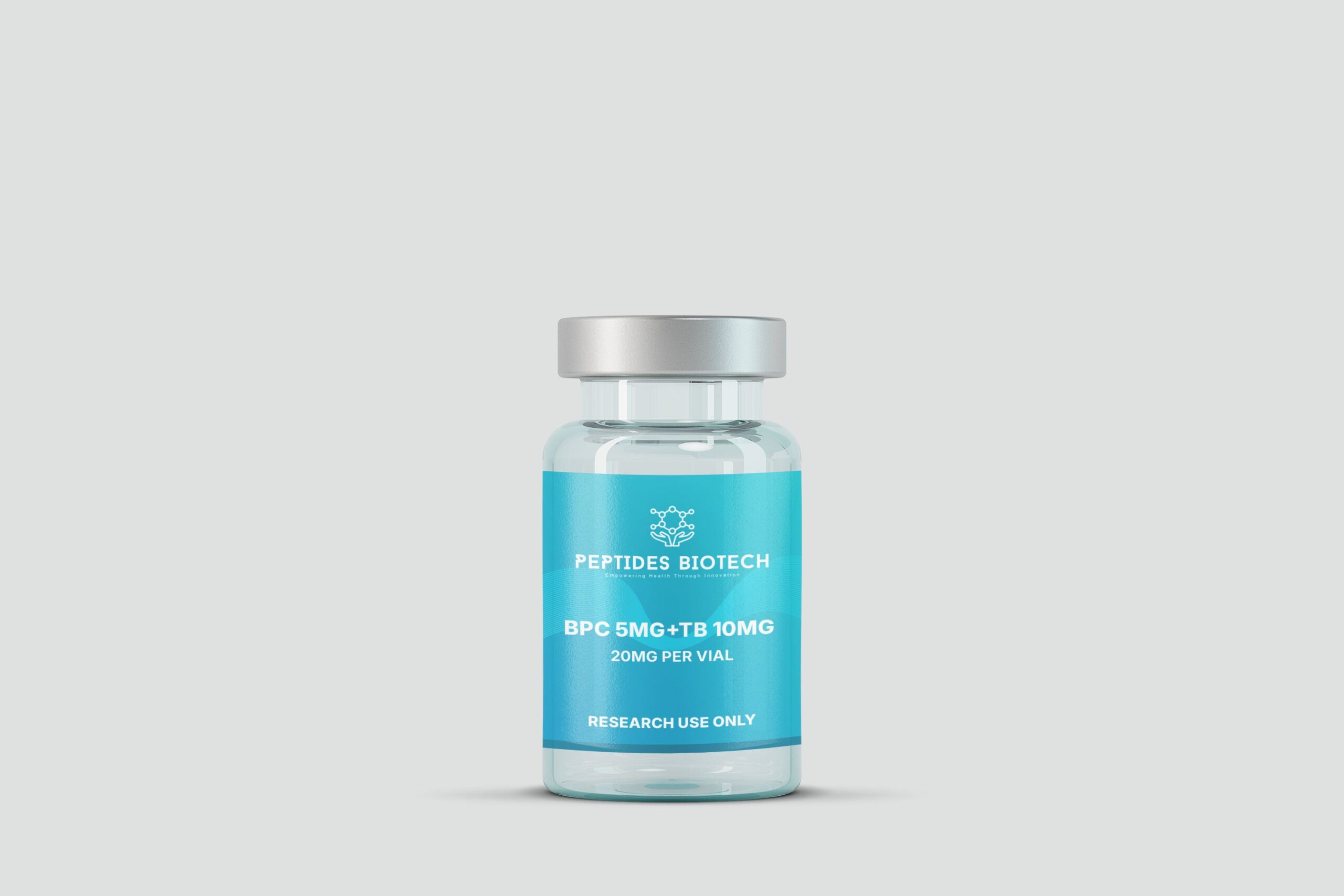
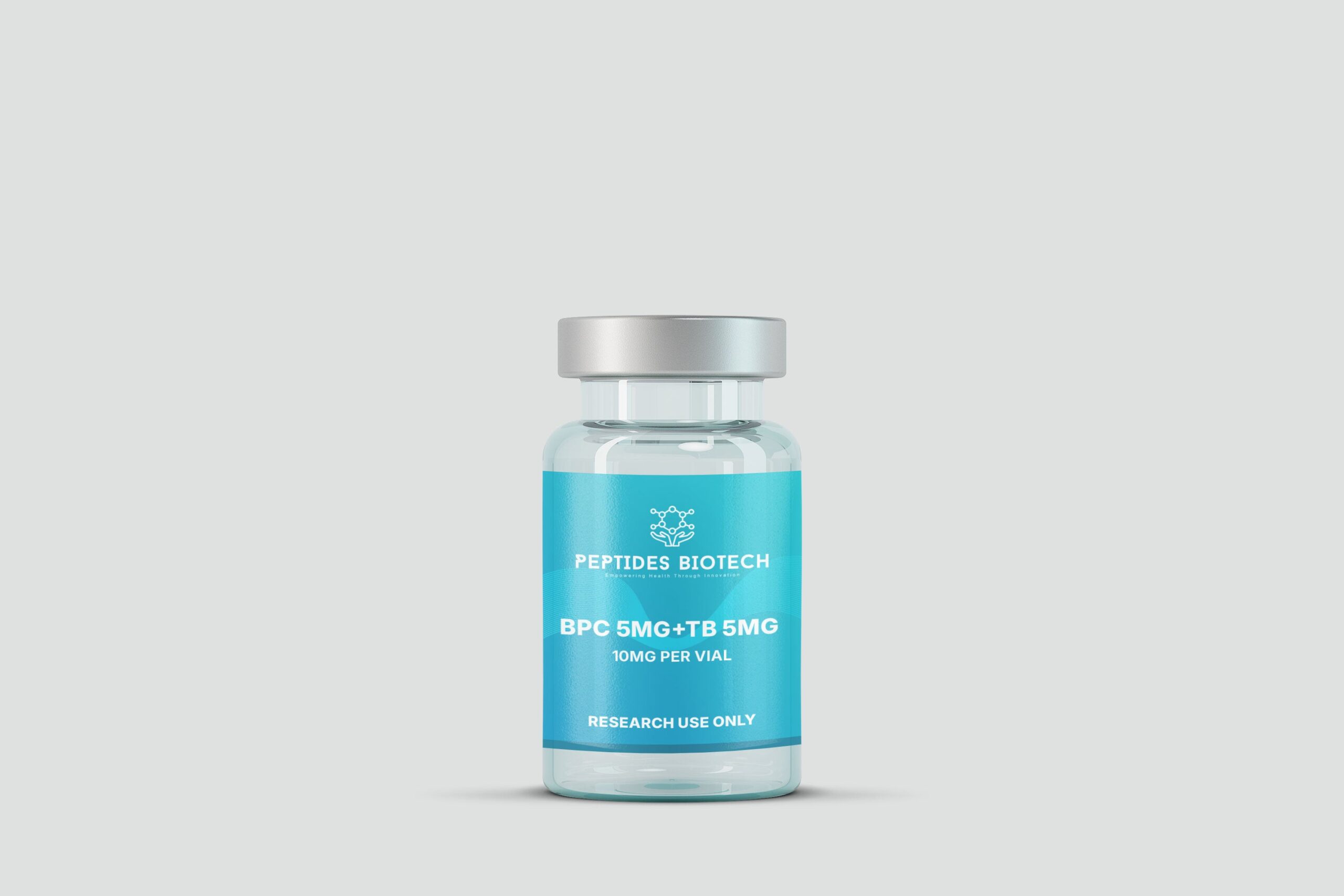
We offer the Wolverine Blend, a specialized formulation containing two distinct molecules for advanced cellular research: the protein Thymosin Beta-4 (TB-500) and the peptide BPC-157. This combination is supplied as a high-purity lyophilized powder, designed for scientists studying complex and synergistic cellular behaviors.
This blend provides a powerful tool for investigating the overlapping pathways of cytoprotection and cellular motility. It is intended for in-vitro research focused on the molecular mechanisms of cell migration, actin-cytoskeletal dynamics, and the expression of proteins involved in cellular integrity and survival in a controlled laboratory environment.
This product is intended for laboratory research purposes only. It is not a food, drug, or cosmetic and is not intended for human or veterinary consumption. By purchasing this product, you agree that you are a qualified researcher or scientist and are purchasing it for in-vitro laboratory use. Any other use is strictly forbidden. Please handle this product in a properly equipped laboratory, using all necessary safety precautions.
This product is a blend of the following two compounds:
For optimal integrity, it is recommended to store the lyophilized Wolverine blend in a freezer at -20°C. Once reconstituted, the solution should be stored in a refrigerator at 2-8°C and used within a short timeframe. For longer-term storage, aliquot and freeze at -20°C or -80°C. Avoid repeated freeze-thaw cycles.
| Weight | 0.1 oz |
|---|
Only logged in customers who have purchased this product may leave a review.
Reviews
There are no reviews yet.